Designing with Elegance: Mastering Sweet Bouquets Clipart
In the world of visual communication, few elements evoke the universal language of celebration quite like flowers. However, sourcing fresh blooms for digital projects or consistent print runs is impractical. This is where high-quality design assets become invaluable. Sweet Bouquets Clipart is not just a collection of floral images; it is a comprehensive toolkit designed for professionals who require versatility and resolution. When you are working on a tight deadline for a wedding stationery brand or building out a spring campaign for a lifestyle blog, having a library of 3000x3000 pixel illustrations at your disposal changes the workflow entirely.
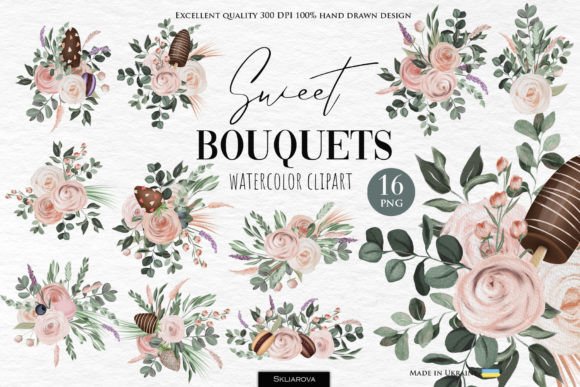
This specific set offers ten distinct flower bouquets, separated with transparent backgrounds in PNG format. The appeal here lies in the premium font equivalent of clipart—these are high-fidelity illustrations rendered at 300 DPI in RGB color space. For the uninitiated, 300 DPI is the gold standard for print quality, ensuring that whether you are printing a small favor tag or a large-scale banner, the lines remain crisp and the colors vibrant. The RGB format ensures maximum versatility for digital screens, from high-resolution monitors to mobile devices, before converting to CMYK for physical printing.
The Anatomy of a Versatile Design Asset
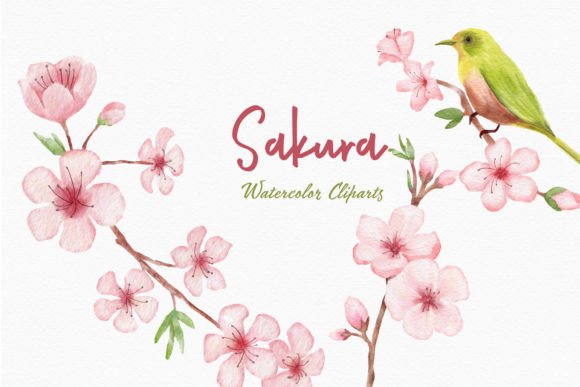
Understanding the visual personality of Sweet Bouquets Clipart is key to using it effectively. These illustrations tend to carry a romantic, organic aesthetic that bridges the gap between traditional botanical prints and modern graphic design. They are not stiff or overly geometric; they possess a natural flow that mimics real floral arrangements. This "human" element is crucial in today's market. We are moving away from sterile, corporate aesthetics toward modern typography and imagery that feels handcrafted and authentic.
Think of these bouquets as the visual equivalent of a script font or a handwritten font. Just as a script typeface adds personality and warmth to a logo, a floral illustration softens the edges of a design. However, unlike text, these assets offer immediate emotional signaling. A pastel bouquet instantly signals "wedding" or "baby shower," while a vibrant, saturated arrangement might suggest "summer sale" or "garden party." Because the files are separated PNGs, you have the creative freedom to overlap them, resize them, and integrate them into complex compositions without worrying about clashing backgrounds or jagged edges.
Strategic Applications: Beyond Simple Decoration
For the entrepreneur or brand strategist, Sweet Bouquets Clipart serves as a foundational element for brand identity. Consistency is the hallmark of a professional brand. By using a specific style of illustration across your packaging design, social media graphics, and web design, you create a cohesive visual language. Imagine a boutique bakery. Using these bouquets on the website header, repeating them as a pattern on the box liner, and featuring them on the "Thank You" cards creates a seamless unboxing experience that customers remember.
Here is where these assets truly shine in practical scenarios:
- Editorial and Publishing: If you are a publisher working on a cookbook or a lifestyle magazine, these bouquets act as perfect spot illustrations. They can break up large blocks of text, fill awkward white space in a layout, or serve as chapter headers. Unlike serif fonts or sans serif fonts which handle the body text, these images provide the visual breathing room that keeps readers engaged.
- Textile and Surface Design: The specifications mention printing on fabric, which is a massive market. Because the files are 3000x3000 pixels, they are large enough to be tiled or centered on items like tote bags, T-shirts, and linens without pixelation. This allows crafters and small business owners to create "print-on-demand" merchandise that looks professional rather than amateurish.
- Digital Marketing: In the fast-paced world of digital marketing, stopping the scroll is everything. A well-placed floral element can draw the eye to a call-to-action or frame a testimonial. These bouquets can be used to create mockups for your clients, showing them how their branding might look on physical products, which is a powerful sales tool for any designer.
Integrating Florals with Typography and Layout
One of the most common pitfalls in design is the clash between imagery and text. When using Sweet Bouquets Clipart, the goal is harmony, not competition. Because floral illustrations are inherently detailed and busy, they pair best with typefaces that offer high readability and contrast.
Consider the hierarchy. If you are creating a wedding invitation, the couple's names might be set in an elegant display font or a flowing script font. However, the details regarding the venue and time should likely be in a clean, legible sans serif font. The bouquets should frame this information, not sit directly behind it. Use the bouquets to create a "wreath" effect around the text or place them in corners to anchor the design.
Here are a few font pairing recommendations when working with this style of clipart:
- The Modern Romantic: Pair the soft florals with a modern, geometric sans serif font. This contrast creates a trendy, editorial look often seen in high-end fashion branding or modern wedding blogs. The clean lines of the type allow the complexity of the flowers to stand out.
- The Rustic Charm: Combine the bouquets with a textured, handwritten font. This works well for DIY projects, farmer's market labels, or artisanal goods. It emphasizes the organic nature of the illustrations.
- The Classic Elegance: Use a high-contrast serif font (like a Didot or Bodoni style). The thick and thin strokes of the serif letters mimic the stems and petals of the flowers, creating a rhythmic visual flow.
Practical Workflow and Quality Assurance
As a designer, your time is billable. Wasting hours removing backgrounds from stock photos is inefficient. The fact that Sweet Bouquets Clipart comes with transparent backgrounds is a significant workflow optimization. You can drag and drop these files directly into Adobe Illustrator, Photoshop, Canva, or Procreate and immediately start composing.
However, quality assurance is still necessary. Even with premium design assets, you must test your files in the final environment.
- Check the Scaling: While 3000x3000 pixels is generous, if you are designing a poster larger than 10 inches at 300 DPI, you will need to scale up. Because these are high-quality illustrations, they likely contain vector-like sharpness, but always zoom to 100% to check for artifacts before sending a file to a large-format printer.
- Color Management: Remember that the files are RGB. If you are sending these to a professional offset printer for business cards or brochures, you (or your printer) will need to convert them to CMYK. Certain vibrant greens and blues in RGB can look dull in CMYK. It is always best to do a test print or request a proof to ensure the "sweet" aspect of the bouquet isn't lost in translation.
- Commercial Licensing: This is the most critical step for entrepreneurs. Ensure you understand the license. Most commercial font and asset licenses allow for usage in end-products for sale (like a printed T-shirt or a PDF invitation sold on Etsy), but they often prohibit reselling the raw digital file itself. Adhering to these terms protects your business legally.
Elevating Your Creative Projects
Ultimately, the value of a resource like Sweet Bouquets Clipart lies in its ability to elevate a project from "homemade" to "professionally designed." In a crowded marketplace, visual quality is a trust signal. When a customer sees a pixelated image or a poorly clipped flower on a website, it subconsciously signals a lack of attention to detail. Conversely, crisp, high-resolution, artistically composed floral elements signal quality, care, and professionalism.
Whether you are a blogger looking to freshen up your sidebar graphics, a small business owner designing your next product label, or a marketer creating a seasonal campaign, these assets provide the flexibility and quality needed to execute your vision. They are not just pictures of flowers; they are building blocks for brand identity and visual storytelling. By pairing them with the right typography and applying them with strategic intent, you can create designs that resonate emotionally with your audience and stand the test of time.