Exploring the Intricate Beauty of Oriental Shape Art
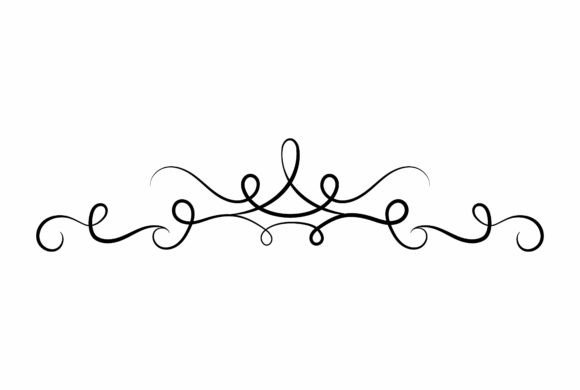
Finding the right visual element that bridges cultural depth with modern versatility can be a challenge. You might be searching for a black ornament clipart illustration that offers more than just a simple silhouette. What you need is a filigree drawing that carries historical weight while functioning perfectly in contemporary design software. This specific style of Oriental Shape Art provides that exact balance. It is a visual language built on symmetry, intricate weaving, and organic flowing lines. Unlike standard geometric patterns, these designs often mimic the complexity of metalwork or embroidery, creating a sense of luxury and timelessness without relying on color or heavy textures.
When you amaze your customers with these ornamental design signs, you are tapping into a rich visual history. The appeal lies in the "negative space"—the empty areas within the swirls are just as important as the lines themselves. This creates a light, airy feel even when the design is dense. For a graphic designer or brand strategist, this represents a specific personality: sophisticated, culturally aware, and detail-oriented. It moves beyond generic clipart into the realm of true artwork. Whether you are a crafter looking for a new aesthetic or a publisher needing a striking header, understanding the mechanics of this style is the first step to using it effectively.
Integrating Ornamental Vectors into Modern Branding
The versatility of this oriental vector graphic is one of its strongest assets. In the realm of brand identity, consistency is key, and a high-quality vector file ensures your design looks crisp whether it is on a massive banner or a tiny business card. Because this artwork functions as a distinct visual mark, it can anchor a brand's aesthetic. For example, a boutique hotel or a high-end spa might use these flowing lines to suggest elegance and relaxation. Similarly, a small business owner selling handmade jewelry can use the intricate patterns on their packaging design to imply that the product inside is crafted with the same care and attention to detail.
For those working in digital design, the applications are just as broad. The files are optimized for web design, meaning they load quickly and scale perfectly on retina screens. Imagine using a subtle watermark of this filigree on a website background to add texture without distracting from the text. Or consider social media graphics: in a feed dominated by flat colors and simple shapes, an intricate ornamental frame stands out immediately. It adds a layer of professionalism to Instagram stories or Pinterest pins that standard stock photos cannot match. It is not just decoration; it is a tool for visual hierarchy, guiding the viewer's eye toward the central message.
From Screen to Paper: Practical Applications
The true value of a design asset is measured by how well it translates across different mediums. This is where the technical specifications—4936x3319px at 300 dpi—become critical. High resolution is non-negotiable for print design. If you are creating a book cover, the spine and back matter often require fine details that pixelate easily with lower-quality assets. This premium font style of illustration ensures that the ink sits cleanly on the paper, preserving the sharpness of the filigree. This level of clarity is essential for editorial design, such as magazine headers or chapter dividers, where the typography and the artwork must coexist harmoniously.
For the hobbyist and crafter, the compatibility with machines like Cricut opens up a world of physical production. The vector nature of the SVG and DXF files means the cutting machine can trace the lines perfectly. You can cut these shapes out of vinyl, cardstock, or fabric. Think about wedding invitations or greeting cards: cutting out this intricate shape to serve as a belly band or a wax seal backing adds a tactile, three-dimensional element to the stationery. It turns a flat piece of paper into a tactile experience. Even for scrapbooking, having a digital file that you can resize infinitely allows you to create layered backgrounds that fit your specific page dimensions without any loss of quality.
Technical Compatibility and Workflow
Efficiency is a priority for every creative professional. The availability of this clipart in multiple formats—PNG, SVG, EPS, JPG, AI, and DXF—ensures seamless integration into your existing workflow. If you are an Adobe user, the Illustrator and Photoshop compatible files allow for immediate manipulation. You can change the stroke weight, alter the color to match a specific hex code, or use the shape as a mask for a photograph. For those using open-source software like GIMP, the PNG files offer high-quality transparency, allowing you to layer the ornament over complex backgrounds without a white box surrounding it.
When pairing this artwork with typography, consider the contrast. Because Oriental Shape Art is inherently detailed and "busy," it pairs best with clean, sans-serif typefaces. A bold, modern display font for headlines can stand up to the complexity of the ornament, while a clean body copy ensures readability. Avoid pairing it with overly decorative script fonts or handwritten fonts, as the two styles may compete for attention and result in a cluttered look. The goal is to let the ornamental design frame the text, not fight with it. This balance is crucial in logo design, where the icon and the wordmark must work together as a single unit.
Commercial Use and Strategic Implementation
Understanding the licensing and potential of these design assets allows you to maximize your return on investment. This type of commercial font and art style is ideal for print on demand businesses. The intricate nature of the design appeals to a broad audience looking for products that feel curated and artistic. You can apply these graphics to tote bags, t-shirts, mugs, or phone cases. Because the design is vector-based, you can scale it to fit a small coaster or a large poster without redesigning the file. This scalability is a massive time-saver for entrepreneurs managing large inventories.
Furthermore, consider the psychological impact on your audience. In a digital landscape saturated with minimalism, a touch of intricate, classical ornamentation can evoke trust and heritage. It suggests that your brand values tradition and craftsmanship. Whether you are a blogger looking to elevate your site's aesthetic, a marketer designing a campaign for a luxury product, or a publisher laying out a historical fiction cover, this style of art provides a specific emotional resonance. It is a bridge between the ancient and the modern, offering a visual complexity that simple shapes cannot achieve. By incorporating these elements thoughtfully, you elevate your project from a simple layout to a polished, professional composition.